
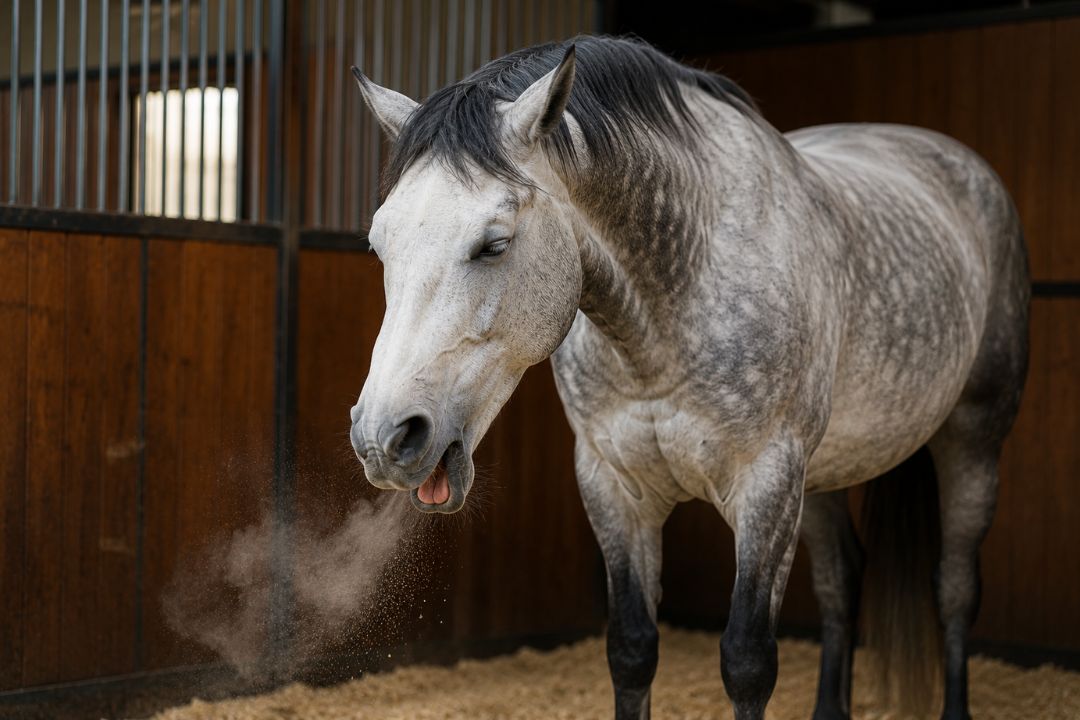
A horse that coughs occasionally, breathes harder than normal after exercise, or has persistent nasal discharge may be showing more than just the effects of dust or seasonal allergies. These can be early signs of Equine Asthma, one of the most common respiratory diseases affecting horses.
Fortunately, equine asthma is often manageable. Through proper diagnosis, improved stable management, and reducing environmental irritants, many horses return to comfortable breathing and normal performance.
One of the biggest factors you can control is the environment where your horse spends much of its day—its stall.
What Is Equine Asthma?
Equine Asthma is a chronic inflammatory disease of the lower airways. It occurs when horses inhale dust, mold spores, ammonia, pollen, and other airborne particles that irritate the lungs.
Formerly classified as:
- Recurrent Airway Obstruction (RAO)
- Heaves
- Inflammatory Airway Disease (IAD)
These conditions are now grouped under the term Equine Asthma Syndrome, which ranges from mild inflammation to severe respiratory distress.
Unlike infections caused by bacteria or viruses, equine asthma is usually triggered by environmental factors.
What Causes Equine Asthma?
Research shows that stable air quality plays a major role in respiratory health.
Common triggers include:
- Dusty bedding
- Mold spores
- Hay dust
- Poor ventilation
- Ammonia from urine
- High humidity
- Pollens
- Fine airborne particles
When these irritants are inhaled repeatedly, the horse’s immune system reacts by causing inflammation inside the airways.
Over time, the airways narrow and produce excess mucus, making breathing increasingly difficult.
Signs and Symptoms
Symptoms may develop gradually and often worsen while horses are housed indoors.
Common signs include:
- Persistent coughing
- Nasal discharge
- Increased respiratory effort
- Exercise intolerance
- Slower recovery after exercise
- Audible wheezing
- Flaring nostrils
- Reduced performance
- Weight loss in severe cases
Many owners first notice subtle changes, such as a horse tiring more quickly or coughing during warm-up.
Why Stable Management Matters
Unlike many respiratory diseases, Equine Asthma is heavily influenced by the horse’s environment.
Studies consistently show that improving air quality often produces significant improvements—even before medications are introduced.
Environmental management should focus on reducing airborne irritants while maintaining a clean, dry, well-ventilated stall.
Dust: The Invisible Problem
Dust inside a horse stall is far more complex than simple dirt.
It may contain:
- Mold spores
- Bacteria
- Fungal particles
- Plant fibers
- Feed dust
- Endotoxins
- Tiny wood particles
These microscopic particles remain suspended in the air and are easily inhaled.
Even stalls that appear clean may contain enough airborne dust to irritate sensitive lungs.
The Role of Ammonia
Ammonia is produced naturally as urine decomposes.
Although horse owners often recognize its strong odor, harmful concentrations may exist before the smell becomes overwhelming.
Ammonia can:
- Damage airway tissue
- Increase inflammation
- Reduce lung defenses
- Irritate eyes
- Increase susceptibility to respiratory infections
Keeping bedding dry is one of the best ways to reduce ammonia production.
How Proper Bedding Helps
Choosing the right bedding is one of the easiest improvements horse owners can make.
Premium kiln-dried pine shavings offer several advantages:
Low Dust
Quality processing removes much of the fine dust that contributes to respiratory irritation.
Superior Absorbency
Highly absorbent bedding quickly captures urine, reducing moisture that leads to ammonia formation.
Cleaner Air
Dry bedding minimizes bacterial growth and helps create a healthier breathing environment.
Comfortable Resting Surface
Soft bedding encourages horses to lie down and rest comfortably, supporting recovery and overall wellness.
Ventilation Is Just as Important
Even premium bedding cannot compensate for poor airflow.
Healthy barns should provide continuous fresh air exchange while avoiding direct drafts.
Good ventilation helps remove:
- Dust
- Moisture
- Ammonia
- Heat
- Airborne contaminants
Opening windows, ridge vents, and maintaining proper barn airflow can dramatically improve respiratory conditions.
Can Equine Asthma Be Prevented?
Not every case can be prevented, but risk can be greatly reduced through good management.
Veterinarians recommend:
✔ Choosing low-dust bedding
✔ Feeding low-dust or steamed hay when appropriate
✔ Removing wet bedding daily
✔ Cleaning stalls regularly
✔ Maintaining proper ventilation
✔ Reducing airborne dust during feeding and sweeping
✔ Monitoring horses for early signs of respiratory irritation
Small changes made consistently often have the greatest impact.
How Veterinarians Diagnose Equine Asthma
Diagnosis may include:
- Physical examination
- Listening to lung sounds
- Endoscopy
- Bronchoalveolar lavage (BAL)
- Tracheal wash
- Blood work (to rule out infection)
Your veterinarian will recommend the appropriate diagnostic approach based on your horse’s symptoms.
Why Early Intervention Matters
Equine asthma is easier to manage when identified early.
Without treatment or environmental improvements, chronic inflammation may permanently damage the lungs and reduce athletic performance.
Recognizing subtle symptoms early gives horses the best chance for long-term respiratory health.
The Stall Master Difference
Creating a healthier stable starts with controlling the environment.
Stall Master’s premium kiln-dried pine shavings are designed to help horse owners reduce dust, improve moisture control, and maintain cleaner stalls that support respiratory health.
Our bedding is engineered to provide:
- Low dust processing
- Superior absorbency
- Consistent flake size
- Cleaner stalls
- Comfortable footing
- Improved overall stable hygiene
While no bedding alone can prevent respiratory disease, combining quality bedding with proper ventilation and routine stall maintenance helps create the healthy environment every horse deserves.
Key Takeaways
- Equine Asthma is one of the most common respiratory diseases affecting horses.
- Dust, ammonia, and poor ventilation are major environmental triggers.
- Low-dust bedding and proper moisture control help improve stall air quality.
- Daily stall maintenance and good ventilation reduce airborne irritants.
- Early diagnosis and environmental management greatly improve long-term outcomes.
Frequently Asked Questions
Is equine asthma contagious?
No. Equine asthma is an inflammatory condition triggered by environmental irritants rather than an infectious disease.
Can bedding cause equine asthma?
Poor-quality, dusty bedding can contribute to respiratory irritation. Choosing low-dust, kiln-dried bedding helps reduce this risk.
Can horses recover from equine asthma?
Many horses improve significantly with veterinary care and environmental management, although severe cases often require ongoing monitoring.
What type of bedding is best for horses with respiratory issues?
Veterinarians generally recommend clean, low-dust, highly absorbent bedding. Kiln-dried pine shavings are a popular choice because they help minimize airborne dust while controlling moisture.
References
- American Association of Equine Practitioners (AAEP). Equine Asthma Guidelines.
- Couëtil, L. L., Cardwell, J. M., et al. (2016). Inflammatory Airway Disease of Horses Revisited. Journal of Veterinary Internal Medicine.
- Robinson, N. E. (2001). International Workshop on Equine Chronic Airway Disease.
- Pirie, R. S. (2014). Recurrent Airway Obstruction: A Review of Equine Asthma.

